
Built to Last: Our Installation Standards
Many fences in Seattle start leaning after a few winters because the foundation is weak or the fasteners corrode. We don't cut corners on the structural integrity of your fence. Our installation process is designed to combat the three enemies of fencing in WA: Rot, Wind, and Gravity.
- Deep Post Installation (Wind Load Resistance): The strength of the fence is entirely in the post. We set every post a minimum of 2 feet deep encased in concrete. This depth is critical not just for stability, but to get below the frost line and saturated topsoil, ensuring your fence stands tall even during strong November windstorms.
- Pressure-Treated Foundations: Wood that touches the ground is prone to rot. We use 4-inch pressure-treated wood posts (cured wood) for all ground contact points. This chemical treatment resists rot, fungi, and termites, ensuring the skeleton of your fence remains standing even when the soil is wet for months on end.
- Sag-Free Gates with Metal Frames: A dragging gate is a nuisance that damages your walkway. We use heavy-duty hinges and offer optional metal gate frames or steel cross-bracing. This reinforcement prevents the diagonal sag common in wood-only gates, keeping your entryways smooth, functional, and latching correctly for years.
Material Selection: Wood, Vinyl, and Metal
We offer a range of materials to suit your budget and style. We guide you through the vinyl vs. wood fencing debate and explain the technical differences to find what works for you.

Wood Fencing (Cedar & Treated)
The quintessential Pacific Northwest look. Wood offers a natural aesthetic that blends perfectly with our evergreens.
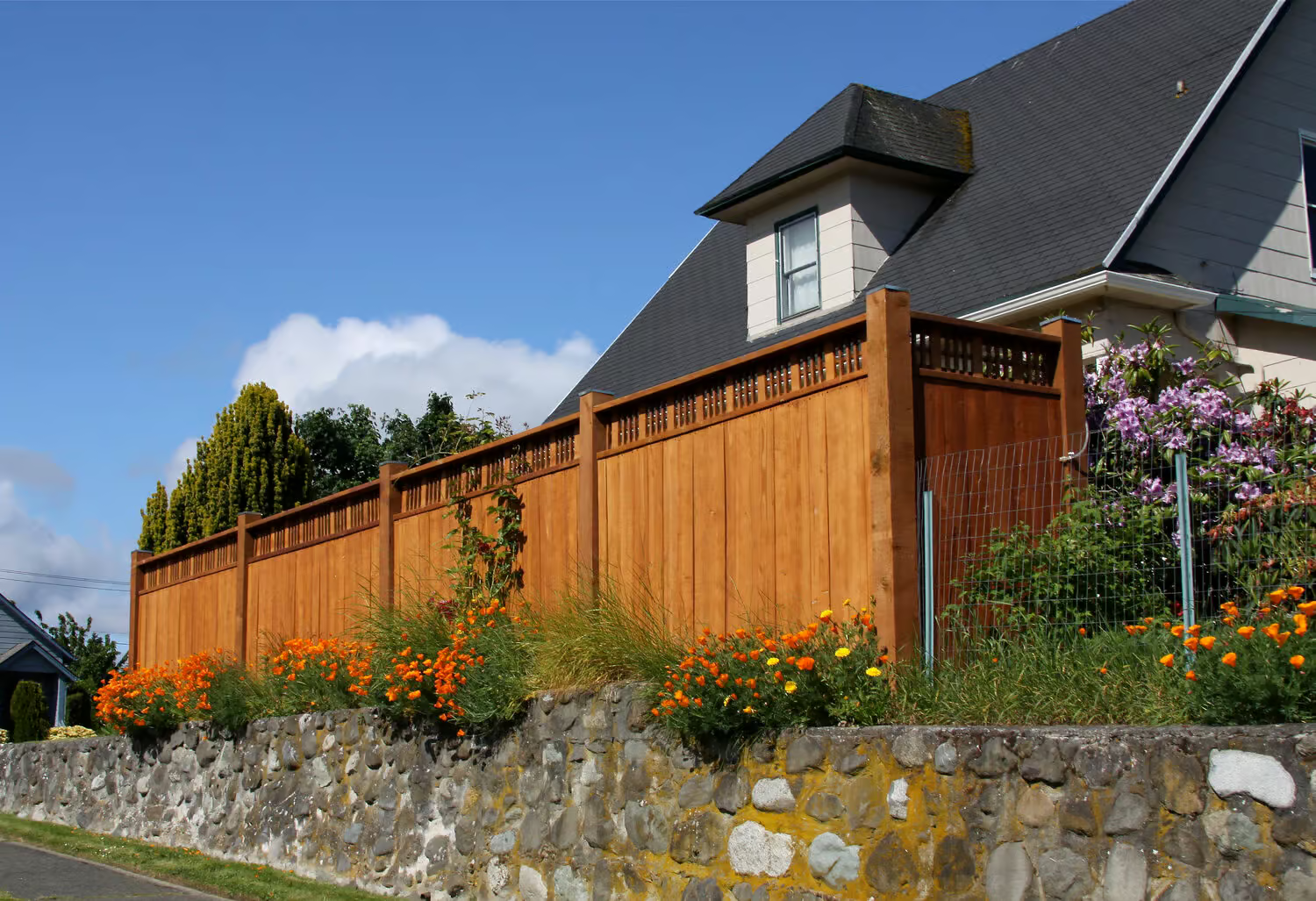
- Why We Use Cedar: We recommend Cedar fencing for the fence boards (pickets). Cedar creates natural oils that make it resistant to decay and insects without chemical treatment. It also stays straight and resists warping better than pine.
- Good Neighbor Fence: We specialize in "neighborly fencing" styles (board-on-board or shadowbox). These designs look beautiful from both sides, ensuring that both you and your neighbors enjoy a "finished" view, which helps maintain positive community relationships.
- Privacy Fences: We install standard 6-foot solid panels to turn your backyard into a private retreat, blocking sightlines and dampening neighborhood noise.
Metal & Aluminum Fencing
According to recent trends, metal garden fences are surging in popularity for their durability and modern look.
- Wrought Iron & Aluminum: Perfect for an elegant, open feel that establishes boundaries without blocking views of the mountains or lakes. Aluminum fencing is particularly great for Seattle as it is rust-resistant, unlike steel which requires constant painting.
- Chain Link Fence: The most affordable fence installation option. Practical, durable, and effective for securing pets or defining property lines in wooded areas where privacy is not the primary goal.
Vinyl Fencing
For homeowners who want zero maintenance, vinyl fence panels are the answer. Unlike wood, they don't rot, don't need painting, and clean up with a simple hose spray. We offer high-thickness grades that resist becoming brittle in cold weather, ensuring they survive our freeze-thaw cycles.

Handling Seattle's Terrain: Fencing on Slopes
Very few yards in Kirkland or Seattle are perfectly flat. Installing a fence on a hill requires expertise to ensure it looks good and remains secure without leaving gaps at the bottom where pets could escape.
Depending on your grade, we use two methods:
- Stepped Fencing: The fence panels step down the hill like a staircase. This is ideal for steeper slopes and works well with pre-made panels. We often fill the triangular gap at the bottom with extra board or mesh for security.
- Racked Fencing: The fence rails follow the contour of the ground. This creates a smooth flow and keeps the fence close to the grass along the entire length. This is often the preferred choice for a dog friendly fence as it leaves no gaps.
Garden Protection: Deer & Rabbit Fencing
In the Eastside and semi-rural areas of Washington, wildlife can destroy a garden overnight. We have seen a massive increase in demand for protective barriers.
- Deer Fence for Garden: We install high-tensile fences designed specifically to keep deer out of your vegetable patches and flower beds without ruining the view. These can be integrated into your property fencing or installed as standalone protection for specific garden zones.
- Rabbit Fence: We can integrate a tight wire mesh (hardware cloth) at the bottom of your decorative fence. This rabbit fence for garden solution prevents small pests from burrowing under or squeezing through, protecting your landscaping investment.
Safety & Compliance: Pools, Dogs, and Kids
A fence is often about who you want to keep in.
- Dog Friendly Fence: We build secure perimeters with no gaps, ensuring even the smallest escape artists stay safe in your yard. We check for potential "dig zones" and can reinforce the bottom of the fence if needed.
- Pool Code Fence: If you have a pool or hot tub, safety is mandatory. We install fences that meet Washington State’s strict barrier codes (self-closing gates, specific latch heights, non-climbable structures) to prevent accidents.

Expert Answers: Seattle Fencing FAQ
Navigating local laws and maintenance can be confusing. Here are answers to common questions about Seattle residential fence codes and long-term care.
Permits & Laws
Do I need permission for a 6ft fence? Generally, in Seattle and King County, you do not need a permit for a fence that is 6 feet tall or less. However, corner lots and waterfront properties have special visibility rules. We handle the code check for you to ensure compliance.
What is the 75/80 Rule in Seattle? This rule often applies to front yards or specific zones where visibility is key. It generally implies that solid fences may be restricted in height (often to 4 feet in front yards), while taller structures might be allowed if they are transparent (like a trellis or open metal fence). We help you design a fence that maximizes privacy without violating these transparency zoning codes.
Is an 8-foot privacy fence too high? Yes, typically. Anything over 6 feet usually requires a building permit and structural engineering review. If you need more height for privacy, we often recommend planting privacy hedges or "living fences" inside the fence line.
What is the "Good Neighbor Fence Law" in Washington? While not a strict "statute," Washington law generally views fences on the property line as shared responsibility if both parties use it (e.g., to enclose livestock), but in residential settings, the person building it usually pays. However, the "Good Neighbor" style refers to a fence that looks good on both sides (hiding the posts and rails), which prevents disputes and improves the view for everyone.
Which side of the fence are you responsible for? If the fence is on your property, it is your responsibility. If it is exactly on the boundary line, it is often shared ownership. We always recommend a survey or locating property pins before digging holes.
Costs, Materials & Maintenance
How long does a wood fence last in Seattle? With our installation standards (pressure-treated posts and concrete footings), a cedar fence typically lasts 15-20 years. Regular maintenance, such as staining every 3-4 years, can extend this lifespan significantly by protecting the wood from UV rays and moisture.
Staining vs. Painting: Which is better for fences? We generally recommend staining. Paint creates a film that can trap moisture inside the wood, leading to rot, and it peels over time. Stain soaks into the wood fibers, allowing the material to breathe while repelling water.
What is the most affordable fence installation service? Chain link fence is the most cost-effective option for large areas. For wood, using pressure-treated pine pickets instead of premium cedar can save money upfront, though cedar generally holds its shape better over time.
How much does fence installation cost in Seattle? Costs vary by linear foot, material choice, and slope difficulty. Wood fence prices fluctuate with lumber markets, while vinyl and metal are more stable. Contact us for a precise per-foot estimate based on your specific terrain.
Local Experts Serving Kirkland, Seattle & Eastside
Our connection to the region goes beyond holding a business license; we were raised in Kirkland. This background provides us with an inherent understanding of the specific soil compositions and micro-climates that affect Seattle landscaping.
We don't need to guess how local terrain reacts to the seasons because we have lived it. When you hire LandscapingFactory, you are engaging specialists who combine technical expertise with local context, ensuring your project is compliant, durable, and suited to community standards.











Secure your property with a fence built to last.
From rabbit-proof garden borders to privacy fences, trust the local experts.
Landscaping Reviews
Neighbors talk. Here's what they have to say.