
Fuel Choice: Wood Burning vs. Gas & Propane
The biggest decision in backyard fire pits is the fuel source. In Seattle, this is often dictated by convenience, heating needs, and local regulations.
1. Gas Fire Pits (Natural Gas & Propane)
This is our top recommendation for residential neighborhoods in the Eastside.
- Instant Ambiance: With a push-button ignition, you have instant heat. No chopping wood, no smoke in your eyes, and no waiting for the fire to die down.
- Burn Ban Compliant: In King County, wood fires are often banned during air quality alerts. Gas fire pits are typically exempt, meaning you can use them year-round without restriction.
- Natural Gas Integration: We can trench a gas line directly from your home to the pit, so you never have to worry about changing a heavy propane tank.
- Propane Fire Pits: If trenching isn't an option, we design aesthetic enclosures to hide the portable propane tank, keeping the design clean and wire-free.
2. Wood Burning Fire Pits
For those who crave nostalgia and higher heat output.
- The Campfire Experience: Nothing beats the smell, sound, and primal heat of real wood. We build these using fire-rated brick and stone to withstand intense temperatures without cracking.
- Smokeless Technology: We are seeing a huge rise in demand for smokeless fire pits. We can install high-tech stainless steel inserts (like Breeo) and build a custom stone surround around them. This gives you the efficiency of modern airflow (70% less smoke) with the timeless look of a custom masonry feature.
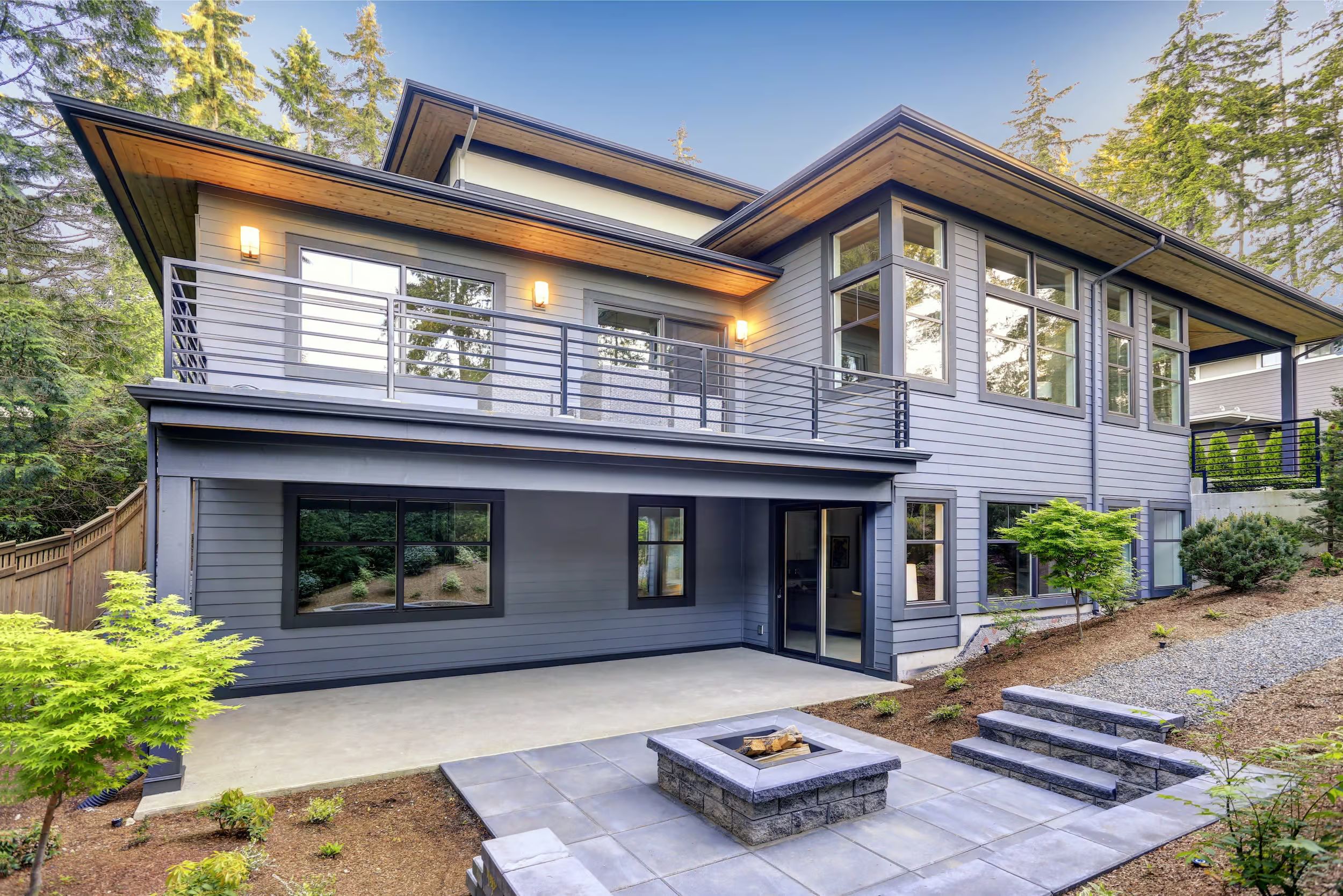
Custom Fire Pits vs. Portable Options
Many homeowners start by searching for "fire pits for sale" at big-box stores. While portable fire pits have their place, a permanent installation adds real value to your property.
- Safety & Stability: A portable bowl can tip over or rust out in one season. Our custom fire pits are anchored to the patio foundation.
- Functional Design: We build them with a wide "coping" (rim). This acts as a footrest or a place to set your drink safely away from the flames.
- Material Integration: We match the fire feature materials to your existing pavers or retaining walls. Whether you prefer the industrial look of concrete fire pits or the rustic charm of stacked stone, the design flows seamlessly with your landscape.
Outdoor Fireplaces & Custom Hearths: The Ultimate Focal Point
If you want to transform your patio into a true "Outdoor Living Room," nothing competes with a masonry outdoor fireplace. Unlike a low fire pit, a fireplace is a vertical architectural statement.
- Privacy & Wind Block: A substantial stone fireplace acts as a privacy wall from neighbors and blocks the prevailing wind, keeping the heat contained in your seating area.
- Custom Hearths: We design extended hearths (the bench-like ledge in front of the fire). This provides built-in seating for guests and a safety buffer between the firebox and your patio furniture.
- Mantels & TV Mounts: We can reinforce the structure to support a rustic timber mantel or even an outdoor-rated TV above the fire, perfect for watching the Seahawks game from your patio.
- Heavy-Duty Foundation: Unlike a fire pit, a fireplace requires a massive concrete footing to support tons of stone. We engineer this foundation to prevent settling in Seattle’s soft soil.
Safety First: Fire Features on Decks and Patios
Safety is paramount, especially when dealing with combustible structures.
- Fire Pit for Patio (Pavers): This is the safest location. Concrete pavers are non-combustible. We can build the fire pit directly into the paver design for a flush or raised look.
- Fire Pit for Wooden Deck: This requires extreme caution. Wood decks are flammable. For decks, we almost exclusively recommend gas fire pits because they don't throw sparks. If you insist on wood burning, we must install a heat-shielding barrier and ensure strict clearance codes are met.
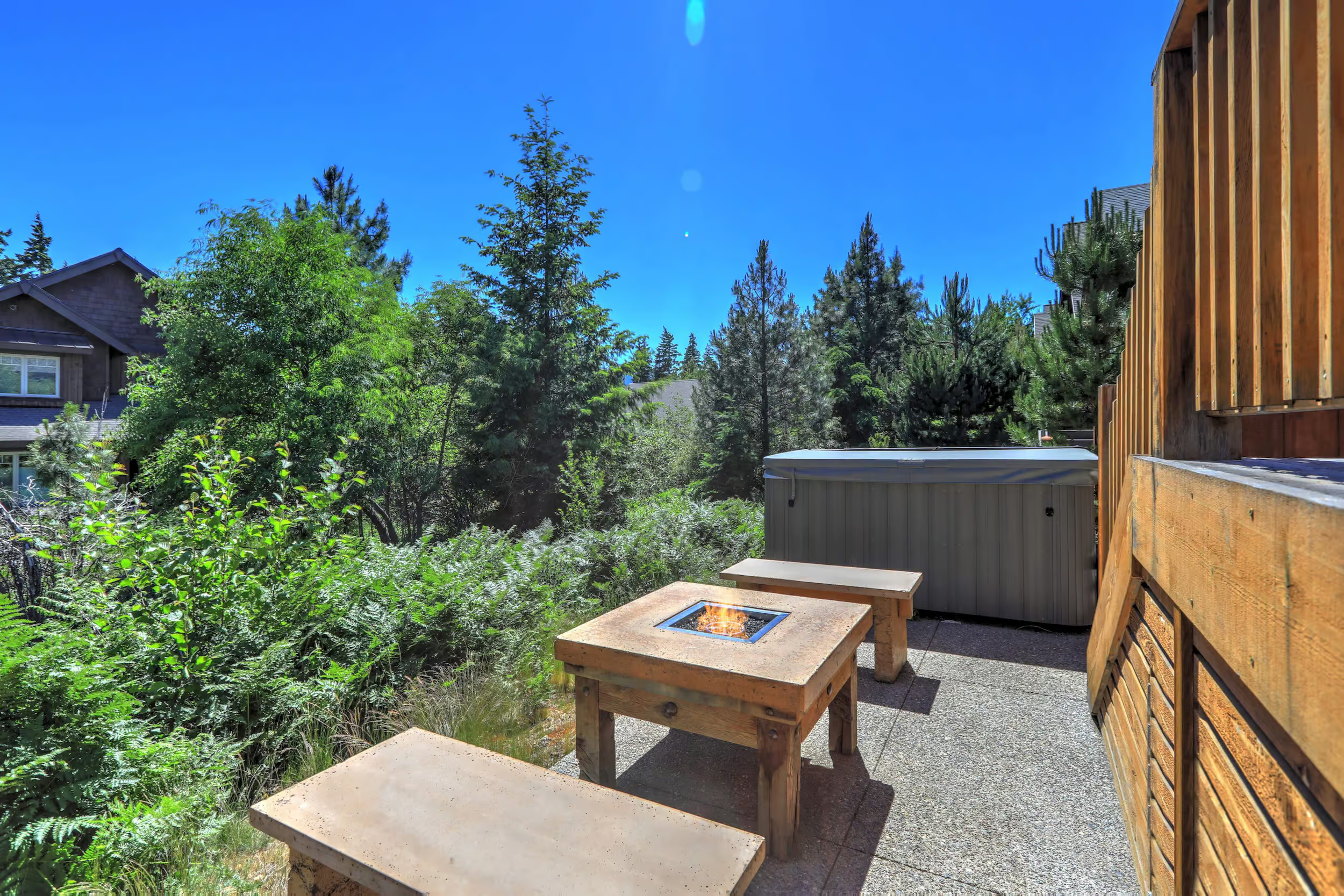
In-Depth Expert Answers: Comprehensive Fire Features FAQ
We cover everything from Seattle codes and permitting to maintenance tips, costs, and design dimensions.
Seattle Codes, Permits & Regulations
Do I need a permit for an outdoor fireplace in Seattle? Generally, yes. If you are running a gas line, a mechanical permit is required. For wood-burning outdoor fireplaces, if the structure exceeds a certain height (often 6 feet) or involves heavy masonry, a structural permit may be needed to ensure stability. We handle this permitting process for you.
How far does a fire pit need to be from the house? According to King County fire codes, recreational wood fires must be at least 25 feet away from a structure (house, fence, shed). However, gas fire pits usually have reduced clearance requirements (often 10-15 feet) if built to manufacturer specifications.
What about "Burn Bans" in Washington? The Puget Sound Clean Air Agency issues burn bans.
- Stage 1 Ban: No wood fires allowed (except in certified indoor stoves).
- Stage 2 Ban: No wood burning at all.
- The Good News: Natural Gas and Propane fire features are typically EXEMPT from these bans. This is why we highly recommend gas installations for uninterrupted use.
What is the 3-foot rule for chimineas and fire pits? This rule states that you should clear all combustible material (dry grass, leaves, overhanging branches) within a 3-foot radius of the fire feature to prevent accidental spread.
What is the "10/2 Rule" for Chimneys? For large outdoor fireplaces, the chimney needs to draft smoke properly. A common rule of thumb is that the chimney should be at least 2 feet taller than any structure within a 10-foot radius. This keeps smoke out of your (and your neighbor's) face.
Fuel, Cost & Troubleshooting
How much does it cost to run a gas fire pit? Natural gas is the most economical option, typically costing less than $1.00 per hour to run. Propane is more expensive, costing roughly $2.00 - $3.00 per hour depending on tank prices.
Why does my gas fire pit make a whistling noise? A whistling sound usually indicates a gas flow issue. It often means the flexible gas line is kinked, or the supply line is undersized for the BTU rating of the burner. As professionals, we size the lines correctly (often upgrading to 3/4" pipe) to ensure a silent, roaring flame.
Match Light vs. Electronic Ignition: Which is better? Match Light (turning a key and using a lighter) is simple, reliable, and requires no electricity. Electronic Ignition (spark/switch) is luxurious and allows for remote control or timer integration, but it requires running an electrical conduit to the pit, which increases installation cost.
Can a fire pit be both gas and wood-burning? No. Wood ash clogs gas jets and ruins the burner. However, you can convert a wood pit to gas later by installing a burner kit (but you cannot easily switch back and forth).
Design, Media & Dimensions
Fire Glass vs. Lava Rock: Which is better? It's an aesthetic choice.
- Lava Rock: Traditional, rustic look. It retains heat well and is more affordable.
- Fire Glass: Modern, reflective, and comes in many colors. It creates a "shimmering" effect but is purely decorative and doesn't radiate heat as intensely as stone.
How much space do I need around a fire pit for chairs? We recommend allowing at least 3 to 4 feet of clearance from the edge of the fire pit to the edge of the patio. This allows guests to push their chairs back safely without falling off the pavers or hitting a wall.
Can I use regular rocks in my fire pit? NEVER. Regular river rocks or gravel can contain trapped moisture inside. When heated, the water turns to steam and can cause the rocks to explode like popcorn. Always use fire-rated media (lava rock, ceramic logs, or fire glass).
Do I need a glass wind guard? In Seattle, yes. A glass wind guard serves two purposes: it prevents the wind from blowing the flame around (keeping the heat centered) and acts as a safety barrier for small children or pets.
What fire pits will not rust? Cast concrete, stone, and copper are best. Copper fire pits develop a beautiful green patina and resist Seattle's wet climate perfectly.
Maintenance & Safety
Do I need to cover my fire pit in the rain? For gas fire pits, yes. While the stainless steel burner won't rust, rain can fill the burner ports and valves, making it hard to light until it dries out. A custom canvas cover or a hard metal "snuffer lid" protects the components and keeps leaves out.
How do I clean fire glass or lava rocks? Over time, soot or dust can dull the sparkle of fire glass. You can remove the glass, wash it in a bucket with water and vinegar, let it dry completely, and put it back. Lava rocks generally don't need cleaning, just occasional replacement.
Is it safe to let a fire pit burn out? For wood, spread the embers and bury them in ash/sand. Never use water on hot masonry (it cracks). For gas, simply turn the valve off.
Do fire pits add value to a home? Yes. A permanent custom fire pit or outdoor fireplace is a major hardscape upgrade. It increases the "usable square footage" of your home and is a top requested feature for buyers.
Local Experts Serving Kirkland, Seattle & Eastside
Our connection to the region goes beyond holding a business license; we were raised in Kirkland. This background provides us with an inherent understanding of the specific soil compositions and micro-climates that affect Seattle landscaping.
We don't need to guess how local terrain reacts to the seasons because we have lived it. When you hire LandscapingFactory, you are engaging specialists who combine technical expertise with local context, ensuring your project is compliant, durable, and suited to community standards.









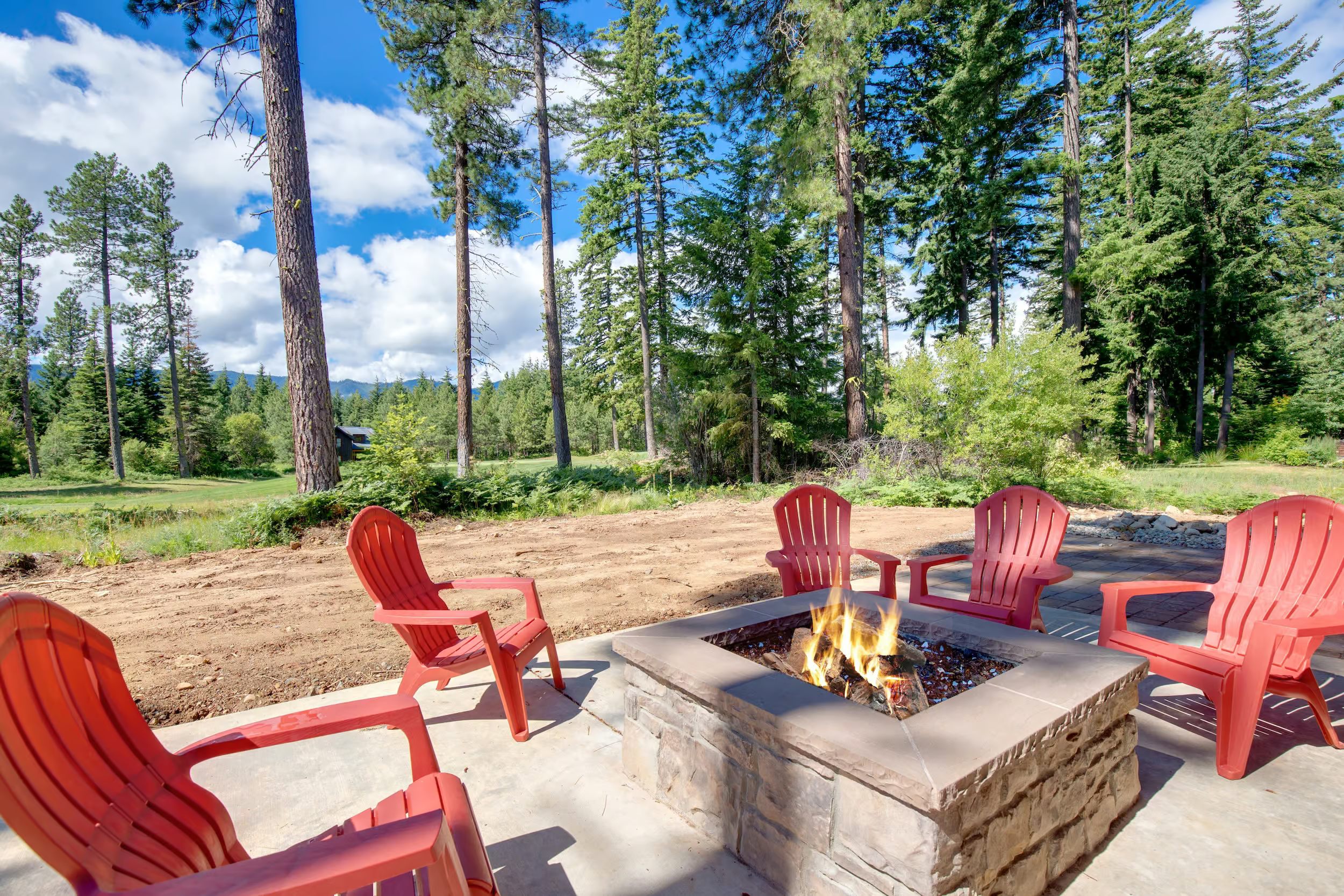
Bring the warmth of a lodge to your own backyard.
From modern gas tables to majestic stone fireplaces, we build the gathering spot your family needs.
Request a Fire Feature Design Consultation
Landscaping Reviews
Neighbors talk. Here's what they have to say.