
Maximize Your Space: From Slopes to Walkable Patios
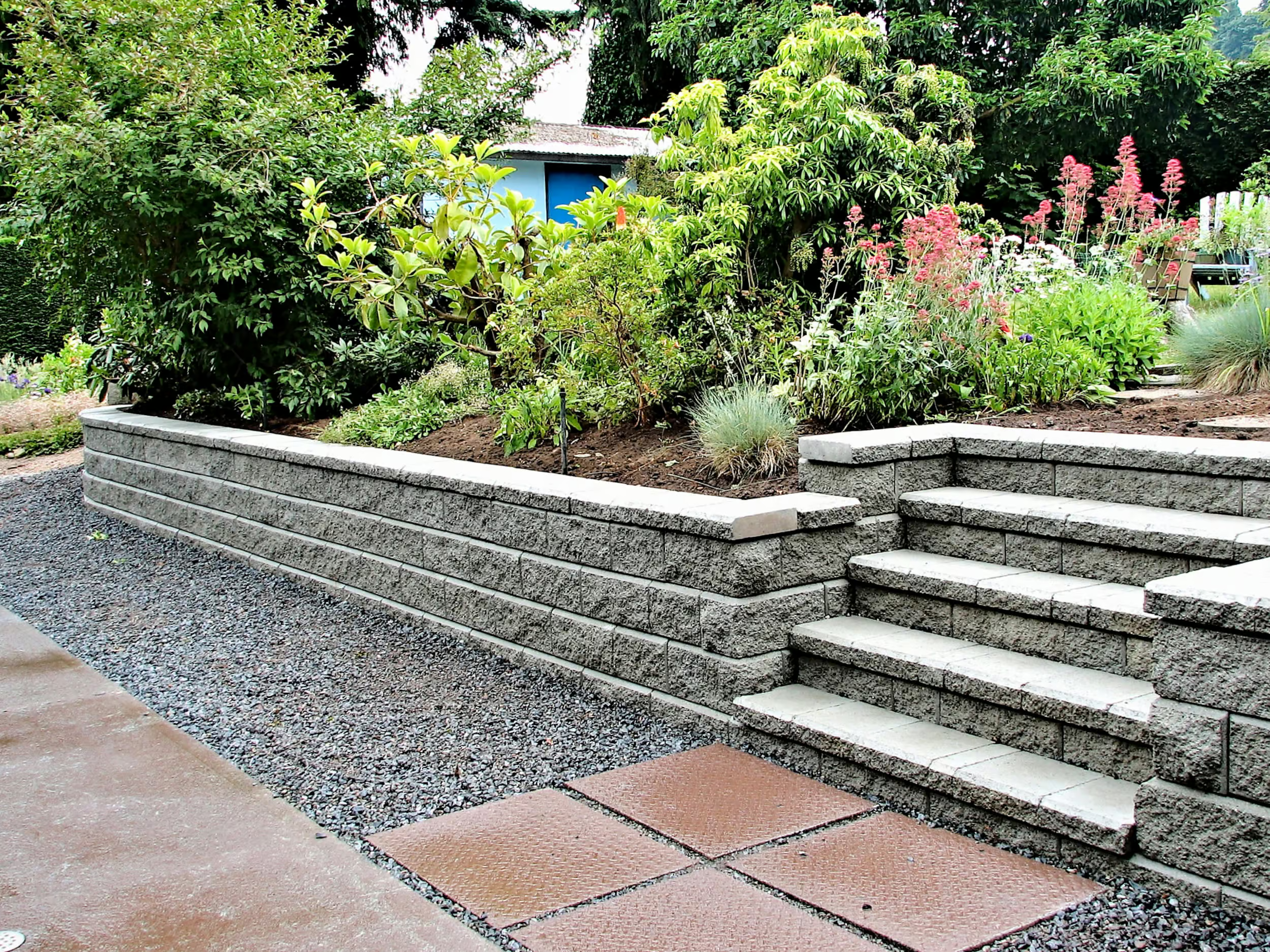
The primary purpose of our retaining wall services is to create level ground. We cut into the slope to establish flat "bench" areas, allowing us to install patios, floors, and walkways where it was previously impossible to walk safely.
By installing a concrete retaining wall or a rock retaining wall, we create the necessary structural support to:
- Level a backyard for a new paver patio.
- Prevent soil erosion during heavy Seattle rains.
- Create terraced garden beds that are easy to maintain.
- Add safe retaining wall steps to connect different elevations of your property.
Built to Last: Our Engineering & Drainage Process
Many retaining wall contractors fail because they ignore what goes behind the wall. In our wet climate, water pressure (hydrostatic pressure) is the number one enemy of any wall. If the water cannot escape, it will push the wall over.
At LandscapingFactory, we follow a strict retaining wall construction protocol to ensure longevity:
- Foundation & Leveling: We start with a compacted gravel base, leveled with precision. This ensures the first course of retaining wall blocks sits perfectly flat, preventing future shifting.
- Rear Drainage System: This is non-negotiable in Seattle. We install a 4-inch perforated pipe ("drain tile") at the base of every wall. This pipe captures groundwater and diverts it away from the structure.
- Proper Backfill: We do not backfill with dirt. We use clean gravel immediately behind the wall. This allows water to filter down quickly to the drainage pipe, keeping the wall dry and stable.
- Structural Reinforcement (Geogrid): For taller projects (typically those reaching 4 feet or higher), gravity alone is not enough. We install Geogrid reinforcement, a high-strength geosynthetic mesh, layered between the blocks and extending back into the soil. This anchors the wall deeply into the hill, ensuring it can withstand immense earth pressure.
Materials: Choosing the Right Block for Your Landscape
We work with high-quality materials to match your aesthetic and budget. Based on current retaining wall ideas and trends, we offer:
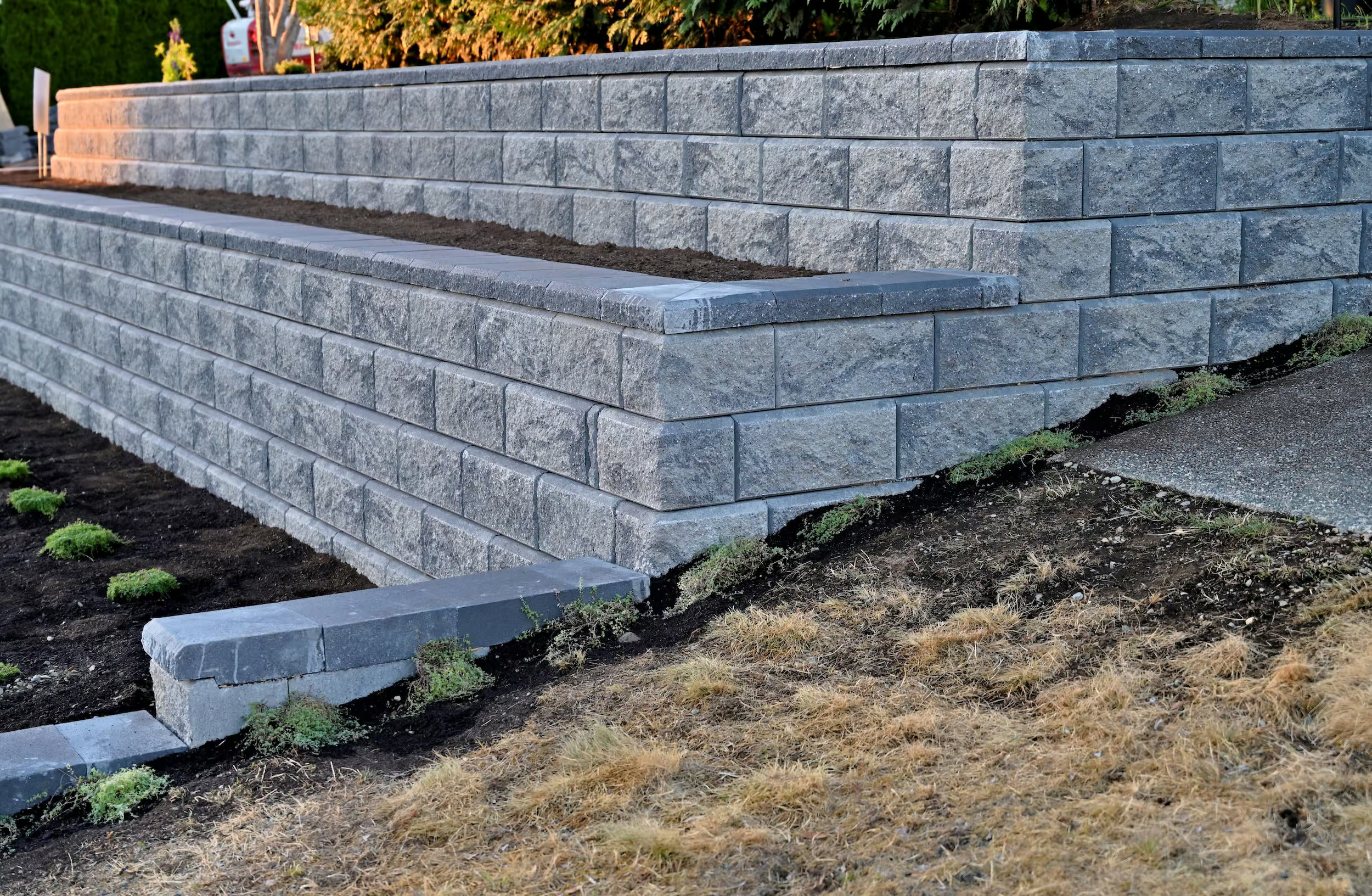
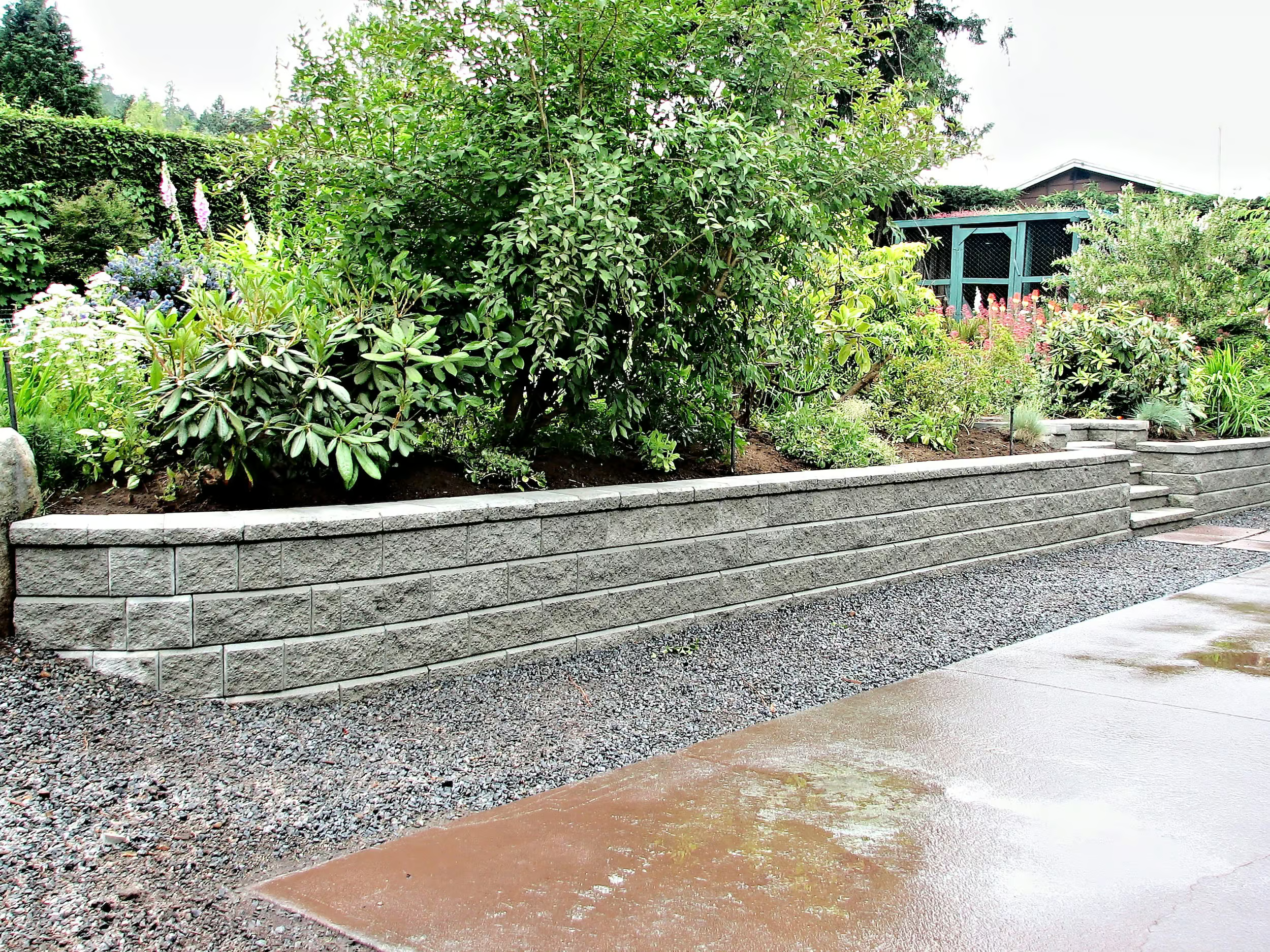
- Concrete Retaining Wall Blocks: The most popular choice for residential landscaping. These segmental blocks are engineered to interlock without mortar, offering flexibility and immense strength. They come in various textures that mimic natural stone but at a more predictable cost.
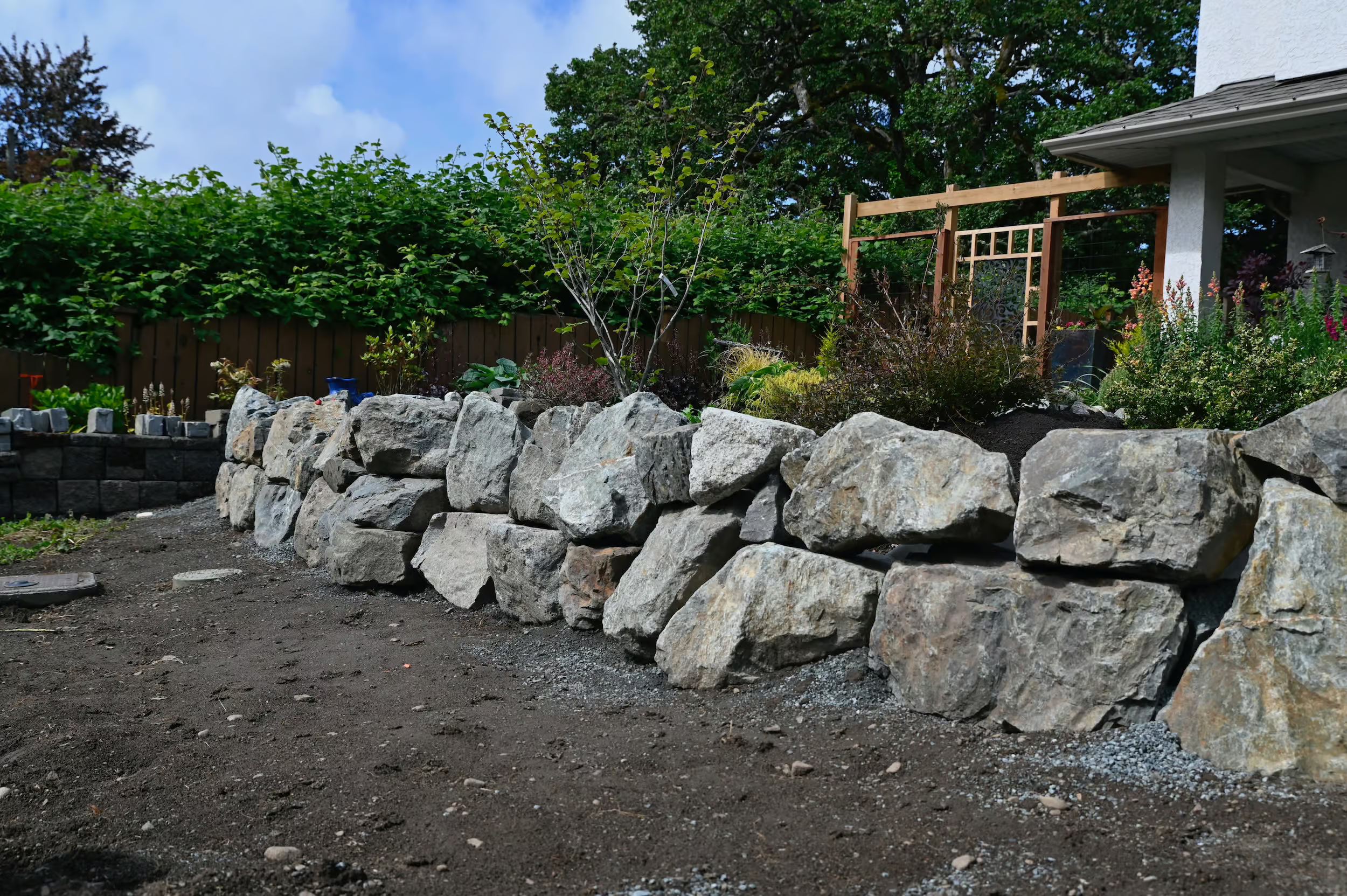
- Stone & Rock Retaining Walls: For a natural, organic look, we use large boulders or cut natural stone. Rock retaining walls are excellent for drainage and blend seamlessly with Pacific Northwest gardens.
- Retaining Wall Caps: We finish every block wall with a professional retaining wall cap. This not only provides a clean, finished look but also protects the hollow cores of the blocks from rain and debris.
Expert Answers: Retaining Wall FAQ
Here are the most common questions we receive from Seattle homeowners regarding materials, costs, and technical requirements.
Materials & Costs
What is the most economical retaining wall material? Short-term, pressure-treated timber (wood) is often the cheapest way to build a retaining wall. However, in Seattle's damp climate, wood eventually rots. The most efficient retaining wall for long-term value is the segmental concrete block system. It lasts decades longer than wood, requires less maintenance, and doesn't need to be replaced, making it the smartest financial choice over time.
What are the best retaining wall materials for residential landscaping? For the Pacific Northwest, we recommend concrete retaining wall blocks or natural stone. These materials are impervious to rot and pests. If you are looking for retaining wall ideas that blend with nature, natural boulders are excellent. for a cleaner, modern look, architectural concrete blocks are superior.
How to save money on a retaining wall without sacrificing quality? To keep costs down, avoid complex curves or extreme heights if possible. Building terraced walls (two shorter walls) can sometimes be more cost-effective than one massive engineered wall. Also, ensuring proper drainage now saves you thousands in repairs later.
Design & Integration
Can I build a retaining wall with steps or a fence? Absolutely. Integrating retaining wall steps is essential for accessible sloped yards. We can also install a retaining wall with a fence on top for privacy. This requires specific engineering, where we install fence post sleeves directly into the wall structure during construction to ensure stability.
How do I choose a retaining wall system for a sloped yard? The steepness of the slope dictates the system. For gentle slopes, a gravity wall (weight of the blocks) works well. For steep inclines, we use a reinforced soil system with Geogrid. We assess your grade to recommend the safest solution.
Technical & DIY Questions
Does a 2-foot retaining wall need drainage or a footing? Yes to both. Even a short 2-foot wall holds back thousands of pounds of wet soil. Without a compacted gravel footing, it will settle and become uneven. Without drainage (gravel and pipe), water pressure will push it forward over time. We never skip these steps.
How deep should the footing be? (Rules of Thumb) A general rule of thumb for retaining walls is to bury about 10% to 20% of the wall's total height below ground level, resting on a minimum of 6 inches of compacted base material. For a 3-foot wall, we typically bury the bottom course of blocks to ensure it is locked into the ground.
What are the common mistakes when installing retaining wall blocks? The most frequent errors we see in failed DIY projects are:
- Inadequate Drainage: Failing to use clear gravel and drainage pipes.
- Poor Base: Placing blocks on dirt instead of compacted crushed rock.
- No Backfill: Filling behind the wall with soil instead of gravel (soil swells when wet).
- Ignoring Geogrid: Not using reinforcement on walls taller than 3-4 feet.
Local Experts Serving Kirkland, Seattle & Eastside
Our connection to the region goes beyond holding a business license; we were raised in Kirkland. This background provides us with an inherent understanding of the specific soil compositions and micro-climates that affect Seattle landscaping.
We don't need to guess how local terrain reacts to the seasons because we have lived it. When you hire LandscapingFactory, you are engaging specialists who combine technical expertise with local context, ensuring your project is compliant, durable, and suited to community standards.











Ready to level your yard and stop erosion?
Don't let the rain wash your property away. Contact the retaining wall specialists at LandscapingFactory for a structural assessment.
Get a Free Retaining Wall Estimate
Landscaping Reviews
Neighbors talk. Here's what they have to say.