1. The Science of Sterilization: Our Tool Hygiene Protocol
This is our defining competitive advantage. In the landscaping industry, cross-contamination is the silent killer of urban forests. Fungal diseases (like Anthracnose or Verticillium Wilt) and bacterial blights adhere to dirty blades, spreading from a sick tree on one property to a healthy tree on the next.
How We Prevent Cross-Contamination: We operate with a "Zero-Transfer" policy.
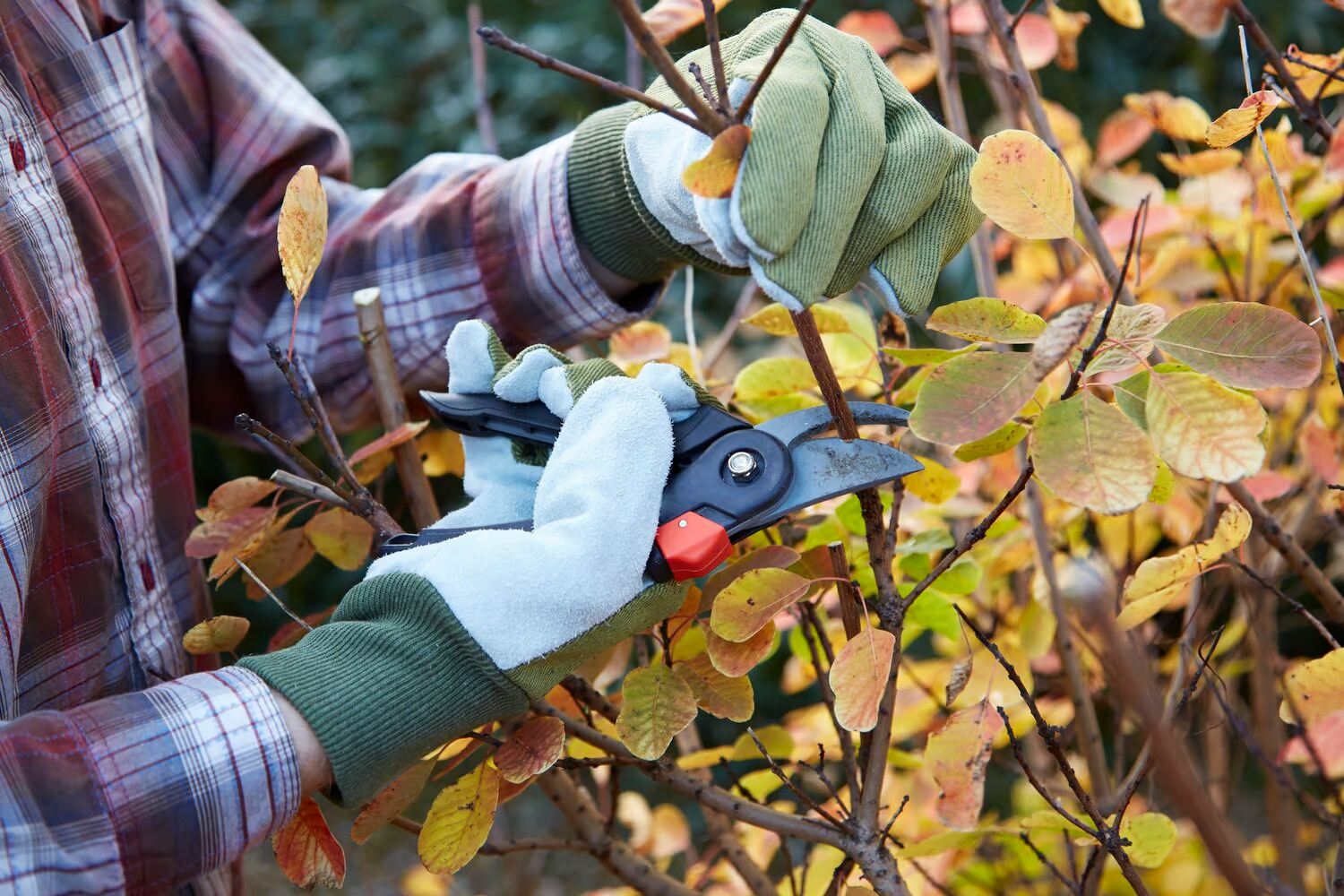
- The Protocol: Between every single property (and often between infected plants within the same yard), we sanitize our shears, loppers, and saws using a specialized oil and gasoline mixture.
- The Science: This industrial-grade sterilization immediately neutralizes fungal spores and viral pathogens.
- The Result: You can rest assured that we are not bringing your neighbor’s pest problems into your garden. Most "mow-and-blow" crews skip this step; we never do.
2. Pruning Techniques: Hand Pruning vs. Mechanical Shearing
A common complaint from homeowners is the "Meatball Effect", where lazy landscapers use electric trimmers to turn every shrub into a square or round blob. This destroys the plant's natural habit and prevents light from reaching the center. We use the right tool for the specific plant biology.
A. Hand Pruning (Structural & Natural)
We use sharp bypass pruners for ornamental trees and flowering shrubs (Azaleas, Rhododendrons, Camellias, Japanese Maples).
- Selective Heading Cuts: We cut back to a visible node or bud, encouraging growth in a specific direction.
- Canopy Thinning: We manually remove crossing branches and interior clutter. This increases air circulation, which is vital in Seattle to prevent moss and mildew buildup inside the plant.
- The Aesthetic: The plant looks manicured but natural, retaining its graceful, flowing lines.
B. Precision Shearing (Formal Hedges)
We reserve electric hedge trimmers for plants intended to be structural walls (Arborvitae, English Laurel, Boxwood, Yew).
- The "A-Shape" Taper: We shear hedges slightly wider at the bottom than the top. This technique allows sunlight to hit the lower branches, preventing the hedge from getting "leggy" (bare and woody) at the base, a common problem in the PNW.
3. Botanical Timing: When to Cut for Maximum Bloom
Pruning at the wrong time of year is the #1 reason plants fail to flower. We adhere to a strict botanical calendar based on USDA Zone 8b (Seattle/Kirkland).
- Spring-Flowering Shrubs (Old Wood): Plants like Lilacs, Azaleas, and Rhododendrons set their buds the previous year. We prune them immediately after they finish blooming in late spring. Pruning them in winter removes the buds and ruins the display.
- Summer-Flowering Shrubs (New Wood): Plants like Roses and Panicle Hydrangeas bloom on new growth. We prune them in late winter (February/March) while dormant to stimulate vigorous new stems for summer blooms.
- Fruit Tree Pruning: For Apples, Pears, and Cherries, we perform dormant pruning in winter to establish structure and "fruit spurs," and light summer pruning to control water sprouts (suckers).
4. Rejuvenation Pruning: Rescuing "Overgrown" Gardens
Do you have a massive shrub that is 80% wood and only has leaves at the very top? Don't remove it yet. We specialize in hard rejuvenation pruning.
Depending on the species (like Lilac or Forsythia), we employ the "1/3 Rule":
- Year 1: We cut 1/3 of the oldest, thickest canes down to the ground.
- Year 2: We remove the next 1/3 of old wood.
- Year 3: We remove the final old stems. This process tricks the plant into pushing out vibrant, new shoots from the root crown, effectively giving you a brand-new shrub without buying a new plant.
5. Seattle Tree Laws, Neighbor Disputes & Permits
Pruning in King County involves complex legal liabilities. As your contractor, we protect you from lawsuits and fines by strictly adhering to local codes.
The "Timber Trespass" Statute (RCW 64.12.030)
This is the most critical law for homeowners to understand.
- The Risk: If you (or your landscaper) cut a neighbor's tree and accidentally kill it or permanently damage its value, you can be sued for Treble Damages. This means you must pay three times the value of the tree.
- The "Vertical Plane" Rule: You have the right to trim branches hanging over your property line, up to the line. However, you have a duty of care not to destabilize the tree.
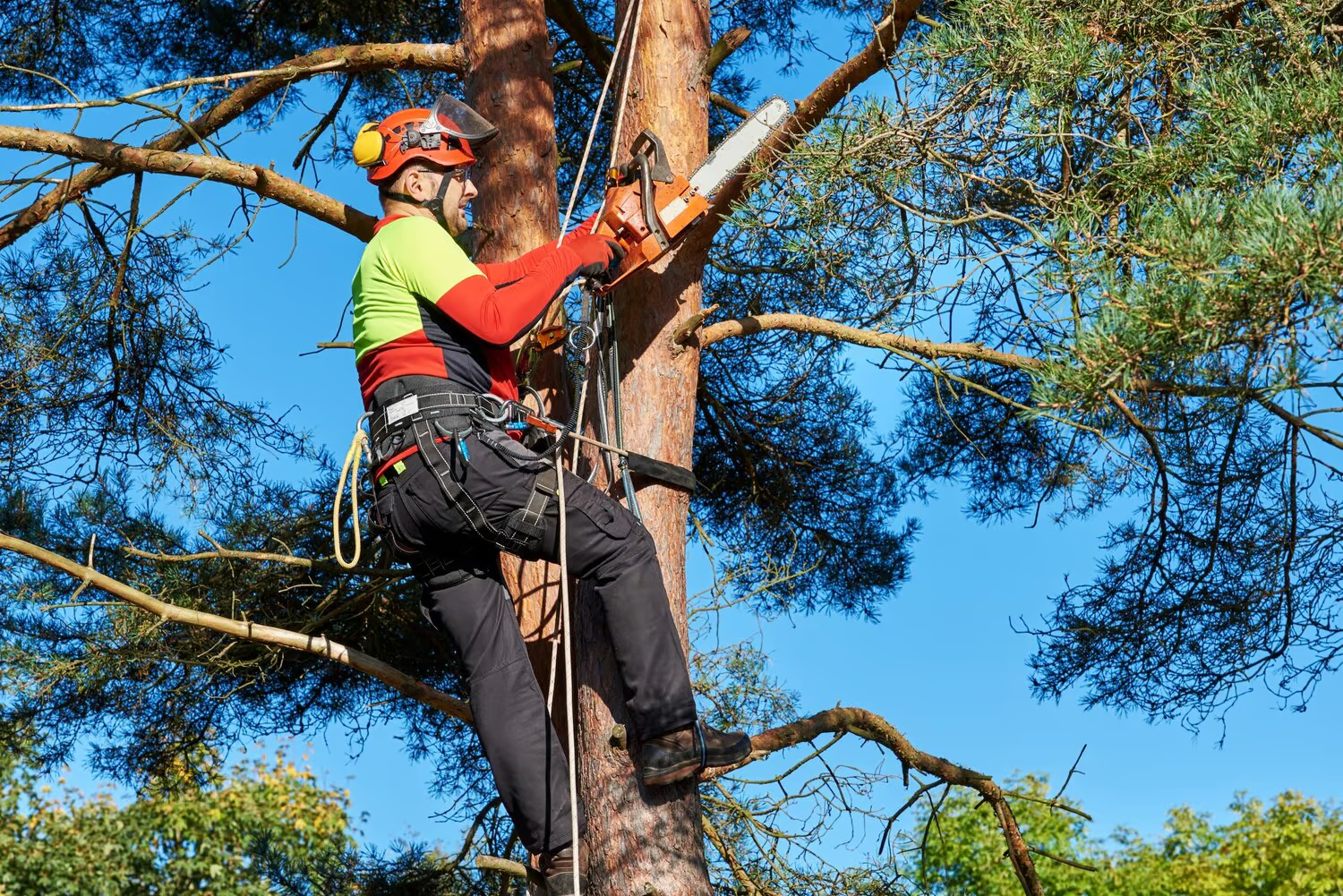
- Our Guarantee: We perform surgical "property line pruning." If a cut would harm the neighbor's tree, we will advise you not to do it. We prioritize your legal safety over aggressive cutting.
Seattle View Rights (Or Lack Thereof)
A common myth is that you can force a neighbor to top their tree because it blocks your view of Lake Washington or the Olympics.
- The Reality: Washington law generally does not recognize a right to a view unless there is a specific covenant on the deed. Guerrilla pruning a neighbor's tree for a view is illegal. We can help with mediation and professional crown reduction if the neighbor agrees.
City Permits (SDOT & Private Property)
- Street Trees: Trees in the planting strip (right-of-way) are regulated by SDOT. You need a permit for major pruning on trees over 2 inches in diameter.
- Significant Trees: In Kirkland and Seattle, trees of a certain diameter (often 6 inches+) on private property are protected. Topping these trees is legally considered "removal" and attracts heavy fines. We check the municipal code before touching large trees.
In-Depth Expert Answers: The Ultimate Pruning FAQ
We answer the specific intent queries that Seattle homeowners search for, covering legalities, botany, and costs.
Legal & Regulatory Questions
Can I cut my neighbor's tree branches that hang over my yard? Yes, but you walk a fine line. You can cut up to the property line (vertical plane), but you cannot trespass to do it, and you cannot kill the tree. We recommend discussing it with your neighbor first. We execute these cuts professionally to ensure the tree seals the wound, protecting you from liability.
What happens if I "top" a tree to get my view back? Topping is bad practice and often illegal. It creates weak, spindly regrowth (water sprouts) that is prone to breaking, and it introduces rot. If the tree is protected, you could face fines from the City of Seattle. We use Crown Reduction pruning, which lowers height by cutting back to a lateral branch, preserving the tree's health and structure.
Do I need a permit to prune a street tree in front of my house? Yes. Even though you mow the grass strip, the tree usually belongs to the City. SDOT requires a permit for pruning branches larger than 2 inches in diameter. We can handle compliance for street tree maintenance.
Botanical & Technical Questions
When should I prune my Hydrangeas? (The #1 Question) Identification is key.
- Mophead (Bigleaf) Hydrangeas: Bloom on old wood. Prune in late summer after flowers fade. Pruning in winter kills the bloom.
- Panicle (PeeGee) Hydrangeas: Bloom on new wood. Prune in late winter/early spring.
- We identify the species before we cut.
Why do you disinfect your tools with gasoline/oil? To stop the spread of disease. Many "mow and blow" services transfer Fire Blight, Rust, and Mildew from yard to yard. Our sterilization protocol breaks the chain of transmission, keeping your ecosystem safe.
Can you prune trees in the rain? We avoid it when possible. Wet conditions are the perfect breeding ground for fungal spores to enter fresh cuts. Pruning during dry spells allows the tree to "compartmentalize" (heal) the wound faster.
Should I use wound paint or sealer on tree cuts? No. This is an outdated myth. Sealers trap moisture and bacteria inside the cut, accelerating rot. Trees heal best when exposed to open air. We make clean cuts at the "branch collar" to allow the tree's natural defenses to work.
What is the difference between pruning and trimming?
- Pruning: Health-focused removal of dead, diseased, or structural wood (e.g., fruit trees, maples).
- Trimming: Aesthetic-focused shearing to maintain shape (e.g., formal hedges, topiaries).
How do you fix a "leggy" hedge (bare at the bottom)? This happens when the top of the hedge is wider than the bottom, shading out the lower leaves. We fix this by pruning the top narrower than the base (a trapezoid shape), allowing sunlight to reach the lower branches and stimulate new growth.
Logistics, Cost & Service
Do you haul away the branches and debris? Yes. All our pruning services include full debris removal. We chop, bag, and haul away the biomass to a composting facility. The dump fee is included in our estimate.
How much does shrub trimming cost? Pricing depends on height (ladder work vs. ground), species (thorny bushes like Barberry cost more), and volume of debris. We provide flat-rate project estimates so you know the cost upfront.
Do you perform fruit tree pruning? Yes. We prune apple, pear, cherry, and plum trees to maximize fruit production and airflow. This is best done in the dormant season (January-March).
What is "deadheading"? Deadheading is the removal of spent flowers. We do this for Roses, Rhododendrons, and perennials to channel the plant's energy into root growth and new buds rather than seed production.
Can you reduce the size of a giant Rhododendron? Yes. Rhododendrons are very resilient. We can perform significant reduction pruning to bring them back to a manageable size, though it may reduce blooming for one season.
How often should hedges be trimmed? Fast-growing hedges like English Laurel or Leyland Cypress often need trimming 2-3 times a year in Seattle to maintain a sharp look. Slower growers like Boxwood may only need one annual trim.
Local Experts Serving Kirkland, Seattle & Eastside
Our connection to the region goes beyond holding a business license; we were raised in Kirkland. This background provides us with an inherent understanding of the specific soil compositions, micro-climates, and legal frameworks that affect Seattle landscaping.
We don't need to guess how local terrain reacts to the seasons—or how strict the local tree codes are—because we have lived it. When you hire LandscapingFactory, you are engaging specialists who combine technical expertise with local context, ensuring your project is compliant, durable, and suited to community standards.









Don't risk a lawsuit or a dead tree.
Get professional, legally compliant pruning that enhances beauty and promotes health.
Schedule a Pruning Assessment
Landscaping Reviews
Neighbors talk. Here's what they have to say.