July 26, 2026
Paver Patios in Seattle: New Installation, Old Patio Restoration, and What It Actually Costs
Growing up in Kirkland taught us the soil, the seasons, and what holds. We build what lasts here because we live here. That matters.
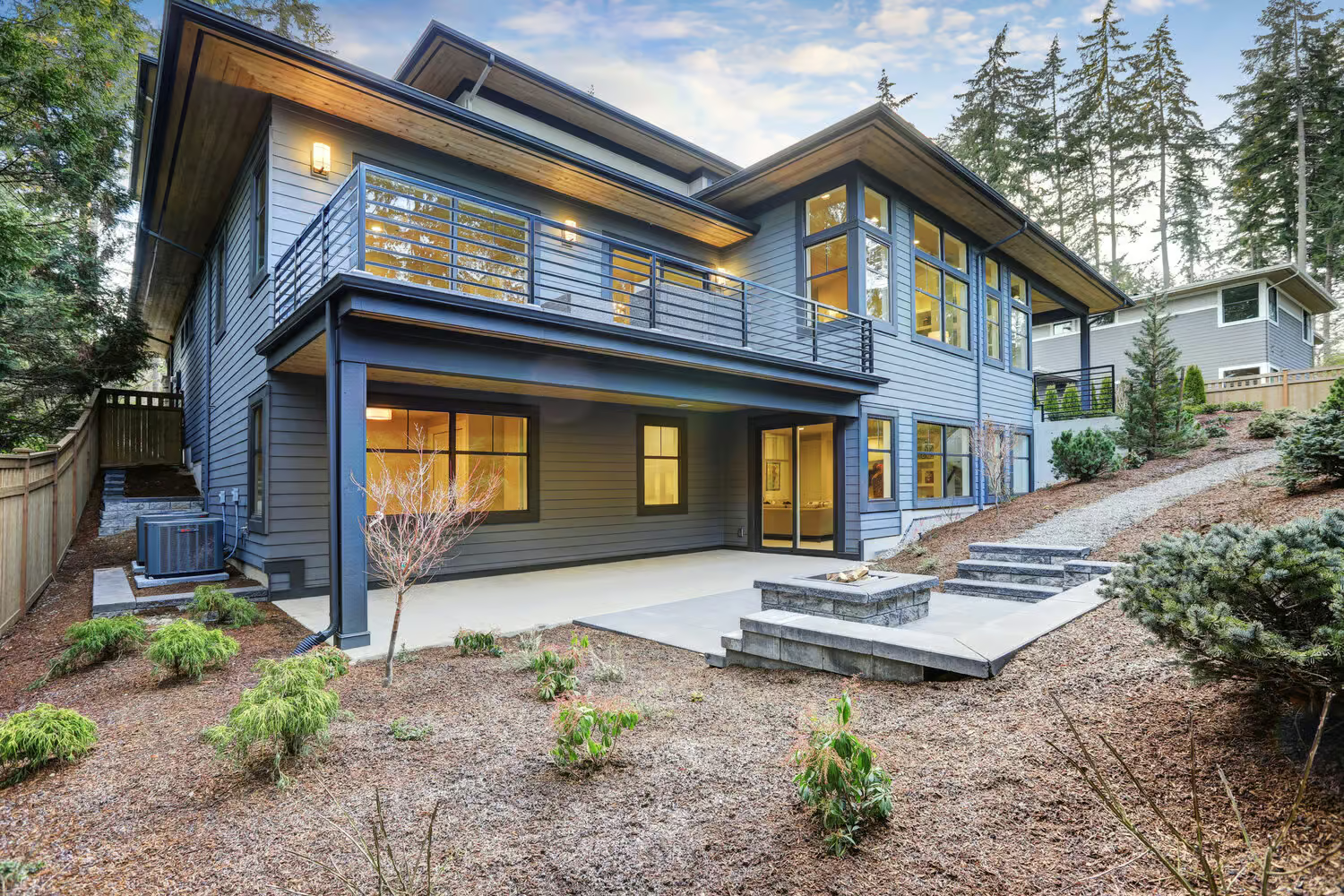
Look out your back window right now. If you are like most Seattle homeowners, you are staring at a patch of soggy lawn, some mossy concrete, or a patio that has seen better days. It is March. The ground is a swamp. And the idea of actually spending time out there feels like a joke.
But here is the thing: that soggy patch is the most valuable square footage you own. It is space that could be a dinner table for summer evenings, a fire pit for chilly Friday nights, or a play area for your kids that does not track mud through the house. You are paying a Seattle mortgage on that ground. You should be using it.
At LandscapingFactory, we build paver patios and restore old ones across Seattle, Kirkland, Bellevue, and the Eastside. Whether you want a brand-new patio from scratch or need to bring an old, failing one back to life without tearing it out, this guide walks you through everything: how the process works, what it costs, and why the timing matters more than you think.
When Is the Best Time to Install a Paver Patio in Seattle?
Most people wait for the first warm weekend in May to call a contractor. By then, every crew in the city is booked, and you are looking at a July start date. But here is what most people do not realize: spring is not just convenient — it is actually the ideal time to build, for reasons that have nothing to do with the weather being nice.
Why the Ground Matters in Late Winter
Seattle sits on a mix of clay and Glacial Till — natural concrete left behind by the ice age. During winter, water gets into that soil, freezes, and pushes the ground upward (frost heave). By late February and March, the ground has finished moving and settled back down. When we dig and build your base in this window, we are working on soil that has already done its worst. It is stable, it is settled, and your patio stays level for decades because we built it after the ground finished shifting — not before.
Why Temperature Matters for the Joints
The material that locks your pavers together is called Polymeric Sand. It goes into the joints as a powder, then hardens when you add water. But it is fussy about temperature. Too hot (August in a heat wave) and it dries too fast, cracking before it sets properly. Too cold and it will not cure at all.
Seattle's spring, with its cool overcast days and mild humidity, is the perfect environment for polymeric sand to cure slowly and evenly. The crews who install in March know this. The ones booked solid in August? Their sand fails more often. That is a fact.
Book in late February or March. The ground is stable. The sand cures perfectly. Our schedule has openings. And your patio is ready for the first BBQ of the year. Wait until May and you are competing with every other homeowner who just woke up to spring.
How Permeable Pavers Work (and Why Seattle Needs Them)
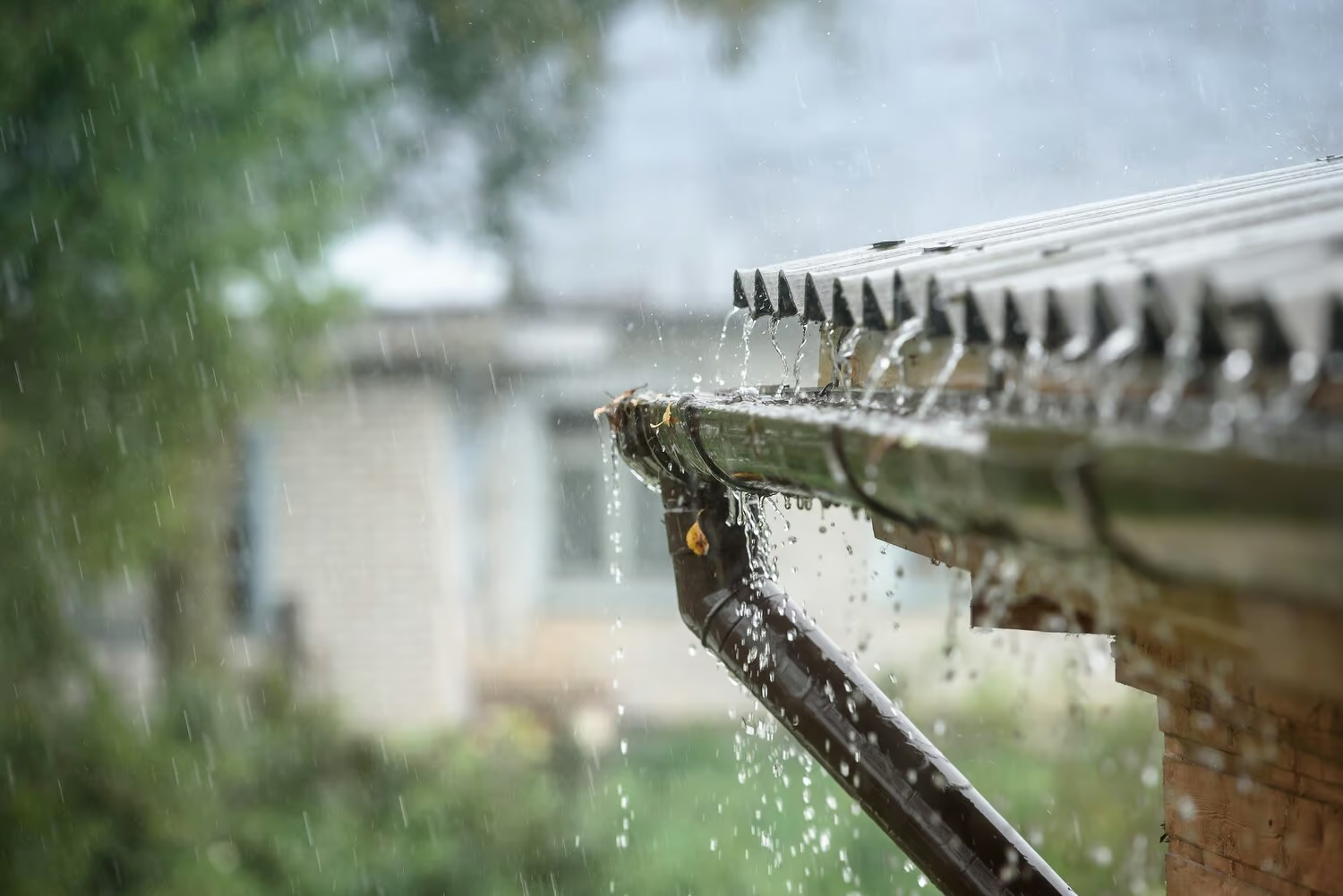
In a city where it rains eight months a year, water management is everything. A traditional concrete driveway or patio acts like a funnel — it collects rain and shoots it straight toward your foundation, your neighbor's yard, or the street. Permeable pavers do the opposite.
What Permeable Pavers Are
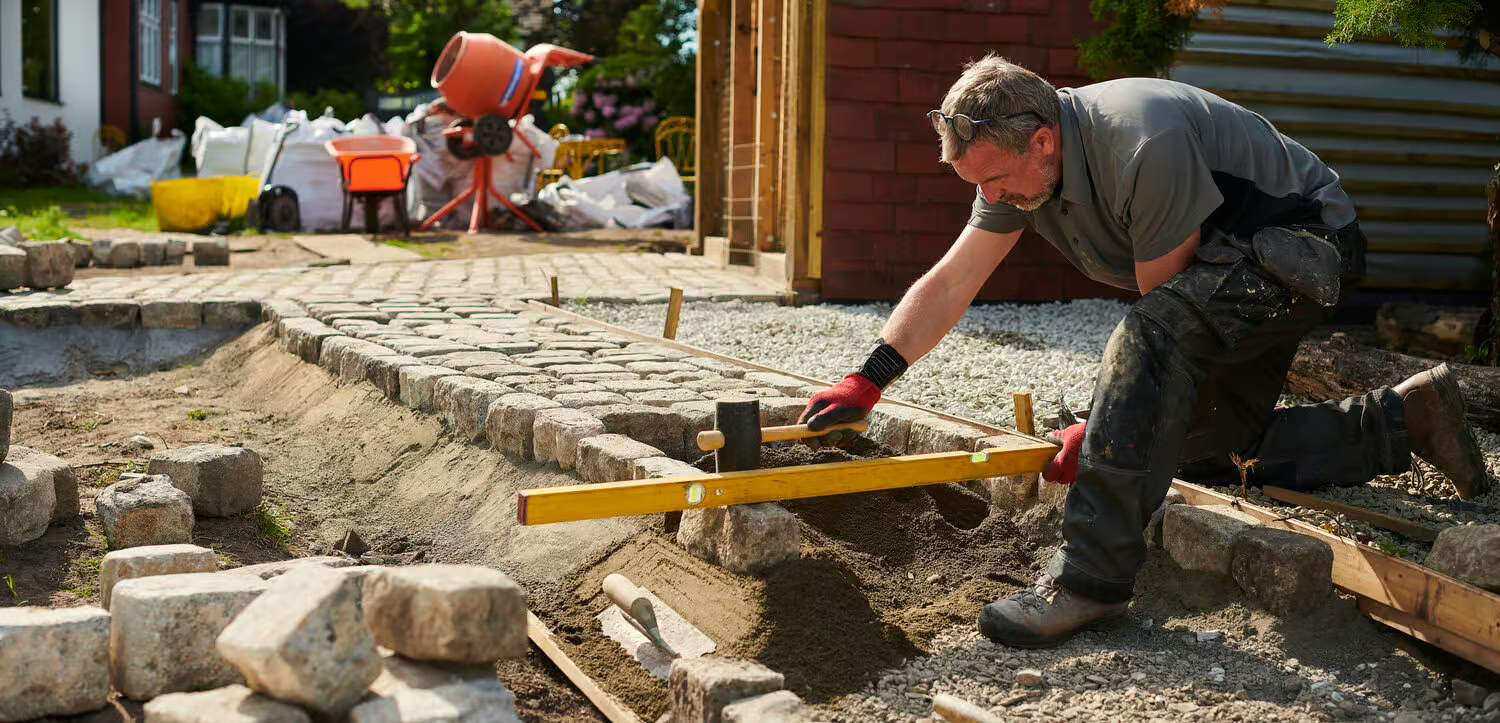
Permeable pavers look like regular pavers from above. The difference is underneath. Instead of sitting on packed sand, they sit on layers of gravel with lots of air space between the rocks. The joints between the pavers are filled with small stone chips instead of sand, so water flows right through. When it rains, water hits your patio and disappears — it drains through the joints, passes through the gravel layers underneath, and slowly soaks back into the ground. The system can handle over 100 inches of rain per hour. Seattle's heaviest downpour is about 2 inches per hour. So your patio never puddles, never floods, and never sends a river of runoff toward your house.
The safety bonus: No standing water means no black ice in winter. Your walkway and driveway stay dry and slip-resistant year-round.
Seattle Stormwater Requirements
Seattle takes stormwater seriously. If you are covering a large area of your property with hardscape, the city may require a stormwater review. Permeable pavers can satisfy those requirements and sometimes eliminate the need for separate drainage systems entirely, saving you money on the overall project. We handle all city compliance paperwork as part of the installation.
Wondering if permeable pavers are right for your property?
We walk your yard and tell you honestly. Free consultation.
Designing an Outdoor Living Space That Actually Gets Used
The old approach to patios was simple: pour a square slab, put a table on it, done. The problem? Nobody uses a bare slab. It feels exposed, disconnected from the house, and there is no reason to be out there when the weather is anything less than perfect.
We design patios the way you would design a room inside your house: with purpose, zones, and flow.
The Three Zones That Define a Great Seattle Patio
The cooking zone: A level, well-drained area near the kitchen door for your grill, countertop, or outdoor kitchen. We use grease-resistant pavers here and make sure the surface slopes slightly for easy cleanup.
The fire pit zone: In the Pacific Northwest, a fire pit extends your outdoor season by months. A 50-degree evening with a fire going is a perfect night. We build custom wood-burning or gas fire pits that sit flush with the paver surface, surrounded by enough space for chairs or built-in seating.
Seat walls: Low stone walls around the patio edge define the space, give you permanent seating for parties, and create a clean transition between your patio and the garden beds. The best patios feel like an extension of the house — not an afterthought in the yard.
Can You Restore an Old Paver Patio Instead of Replacing It?
This is one of the most common calls we get: our patio is a mess — do we need to tear the whole thing out? And the answer, most of the time, is no.
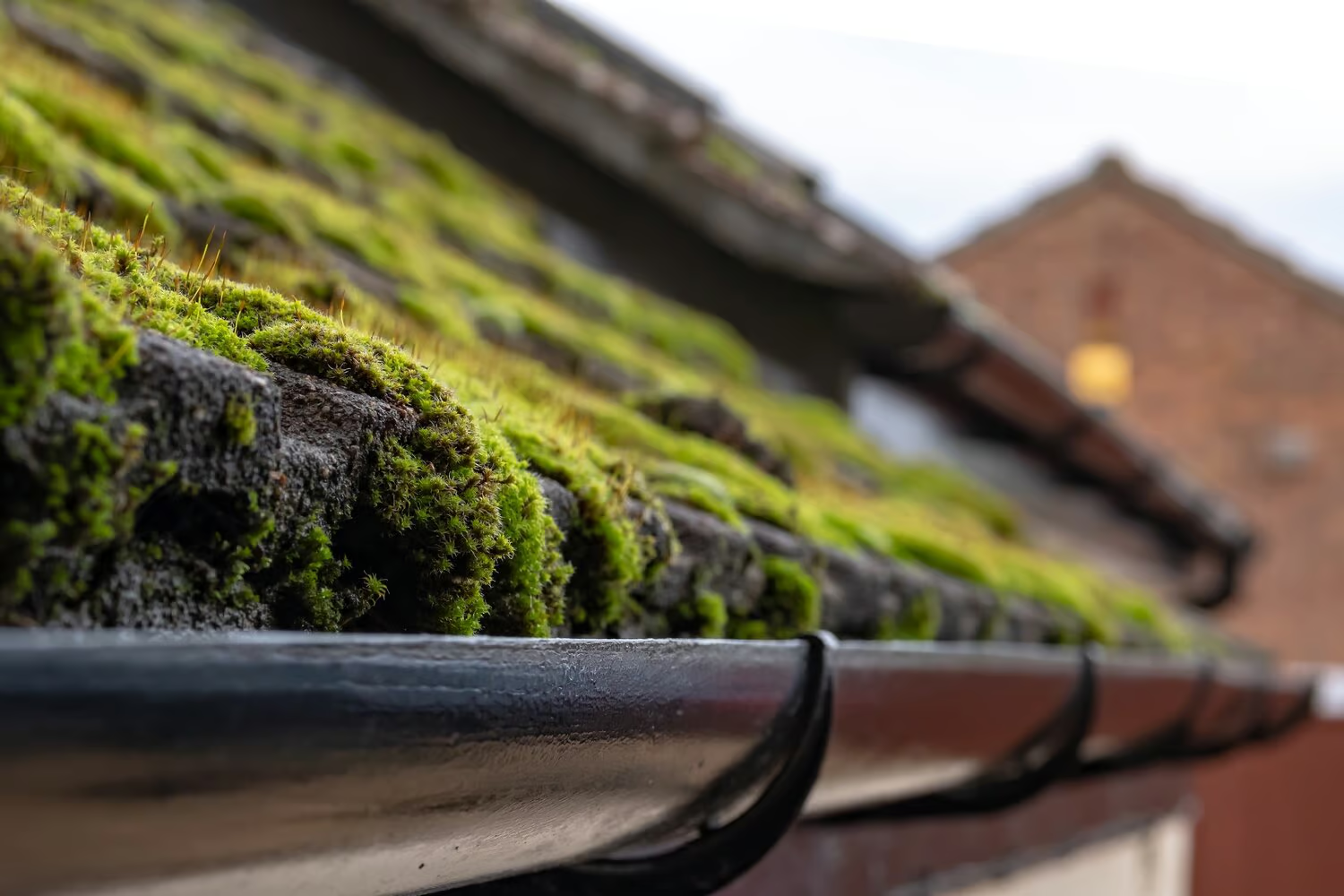
Here is how a patio typically fails in Seattle: the pavers themselves are fine (they are rated to last 25 to 50 years), but everything around them has deteriorated. The joint sand washed out. Moss colonized every crack. Weeds pushed through. Some stones sank where the base settled. The color faded. It looks terrible, but the bones are still good. Instead of spending thousands on demolition and a full rebuild, we restore what is there.
The Three-Step Restoration Process
Professional Deep Clean
Commercial surface cleaners and professional-grade detergents strip the biofilm, moss, and algae out of the pores of the stone — not just off the top. The pavers underneath are usually in much better shape than they look. For more on what we clean and how, see our Pressure Washing and Exterior Restoration guide.
Polymeric Sand Joint Reset
We remove all the old, dirt-filled joint material — which at this point is basically a weed nursery — and replace it with fresh Polymeric Sand. This engineered mix of sand and binding agents hardens when activated with water. Once it sets, it creates a flexible seal that weeds cannot push through, ants cannot tunnel into, and rain cannot wash out. This single step transforms a failing patio back into a solid, weed-free surface.
Penetrating Sealer
Years of UV exposure dull the color of concrete pavers. We apply a penetrating sealer that soaks into the stone and brings the original color back to life. A 10-year-old patio can look like it was installed last month. The sealer also creates a barrier that repels oil, wine, and moisture — meaning the patio stays cleaner longer and resists new moss growth.
A typical paver restoration costs 40 to 60% less than demolition and reinstallation. If your pavers are structurally sound (not cracked or crumbling), restoration is almost always the smarter investment. We will tell you honestly if your patio can be saved or if it needs to be replaced.
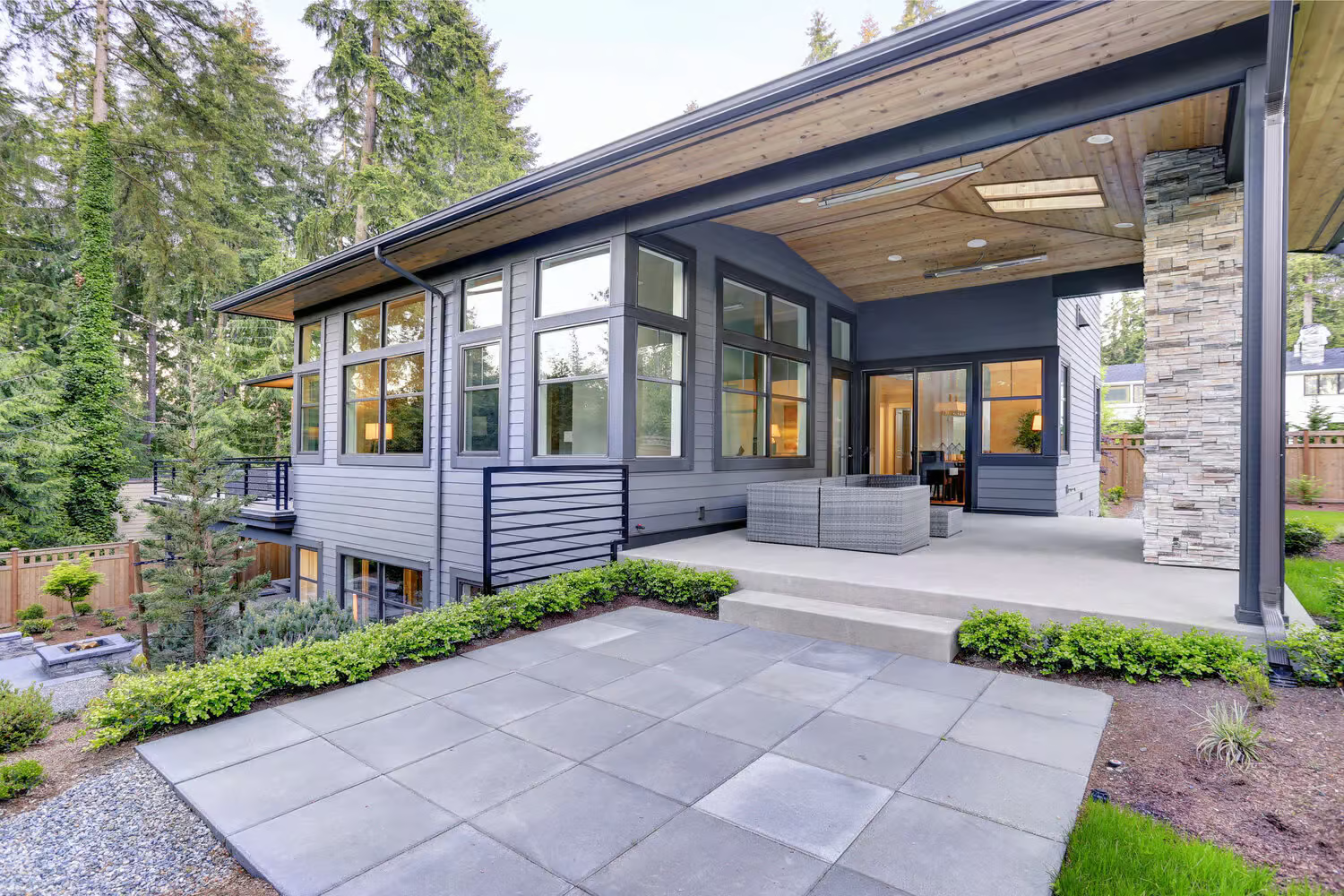
Got an old patio covered in moss and weeds? Send us a photo.
We will tell you honestly if it can be restored. Free assessment.
Are Pavers Better Than Concrete in Seattle?
We get asked this all the time. Concrete is cheaper upfront. But in Seattle specifically, there are real reasons why pavers are the better long-term investment.
What Happens When the Ground Shifts
Seattle ground moves. Between seasonal soil expansion, tree roots from our massive Cedars and Maples, and the fact that we live in an active seismic zone, the earth under your patio is never truly still. When it moves, concrete cracks — and a cracked slab cannot be patched invisibly. It always looks like a repair.
Pavers, on the other hand, are a flexible system. Individual interlocking pieces move slightly with the ground without breaking. If a tree root pushes up a section, we lift the pavers, cut the root, re-level the base, and put the same stones back. No visible repair. No new materials. Try doing that with a cracked concrete slab.
| Factor | Paver Patio | Poured Concrete |
|---|---|---|
| Lifespan | 25–50 years with basic maintenance | 10–15 years before cracking becomes a problem |
| Cracking | Individual units flex with ground movement | Inevitable in Seattle soil; cannot be repaired invisibly |
| Tree root damage | Lift stones, fix root, relay — same day repair | Requires demolition and re-pour of affected section |
| Drainage | Permeable option absorbs water on-site | Sends water toward your foundation |
| Customization | Endless patterns, colors, textures | Limited: one color, one texture |
| Repair cost | $200–$500 to lift, fix, and relay (invisible) | $500–$2,000+ per section (always shows) |
| Resale value | Stands out — buyers notice quality hardscaping | Expected — does not impress buyers |
This comparison applies to residential patios, driveways, and walkways in the Seattle climate. Concrete is appropriate for hidden utility slabs — but for any surface you want to look great and last, pavers win.
What a Professional Paver Installation Includes
When LandscapingFactory builds a patio, here is what happens from start to finish:
Site Assessment
We walk your property, check the slope, identify drainage paths, note tree root locations, and measure everything. We discuss your vision — fire pit, outdoor kitchen, simple entertaining space — and design a layout that works with your yard, not against it.
Excavation
We dig down 8 to 14 inches depending on soil conditions and intended use (patios need less depth than driveways). All organic material comes out. This is the step that separates a 5-year patio from a 50-year patio.
Base Installation
Layers of compacted gravel, each one leveled and tested for density. This is the foundation. Skimp here and the patio sinks. We do not skimp.
Edge Restraint
Permanent borders keep the pavers from spreading outward over time. Without proper edging, even a well-built patio slowly falls apart at the margins.
Paver Installation
Each stone placed by hand in the pattern you chose, checked for level and alignment as we go. Cuts made with diamond saws for clean, precise edges.
Joint Filling and Compaction
Polymeric sand swept into every joint, compacted with a plate vibrator, then activated with water. This is what locks everything together and protects the patio from weeds, ants, and weather.
Sealing (Recommended)
Penetrating sealer applied to protect color, repel stains, and slow biological growth. Available in natural look (invisible) or wet look (color-enhancing).
How Much Does a Paver Patio Cost in Seattle?
Here are honest numbers. Pricing depends on the size of the area, the paver material you choose, the complexity of the design, and your site conditions (slope, access, soil, trees).
| Project Type | Typical Range per Sqft | Example: 300 Sqft Patio |
|---|---|---|
| Concrete pavers (standard install) | $17 – $25 | $5,100 – $7,500 |
| Natural stone pavers (flagstone, travertine) | $35 – $65 | $10,500 – $19,500 |
| Permeable paver system | $25 – $40 | $7,500 – $12,000 |
| Paver driveway (80mm thick, reinforced base) | $25 – $45 | Varies by size |
| Fire pit integration (custom, built-in) | Flat fee: $2,000 – $5,000 | — |
| Seat walls | $50 – $100 per linear foot | Varies |
| Full patio restoration (clean + re-sand + seal) | $4 – $8 per sqft | $1,200 – $2,400 for 300 sqft |
| Paver repair (sinking, root damage) | $200 – $800 per section | — |
Prices are estimates for greater Seattle as of 2026. Includes materials, labor, base preparation, edging, and polymeric sand. Does not include demolition of existing surfaces (add $5–$8/sqft if removal is needed). All quotes are free, on-site, and written.
A well-built paver patio lasts 25 to 50 years. A concrete slab lasts 10 to 15 before it cracks in Seattle soil. If you divide the cost of pavers over their lifespan, the per-year cost is often less than concrete. You are paying more upfront, but you are buying something that lasts three to five times longer — and looks better the entire time.
Stop staring at the mud. Let's build something you will actually use.
LandscapingFactory builds and restores paver patios across Seattle, Kirkland, Bellevue, and the Eastside. Free measurement, design consultation, and quote.
Frequently Asked Questions About Paver Patios in Seattle
Will a paver patio add value to my home? +
How do you stop weeds from growing between pavers? +
Are pavers slippery in the rain? +
How long does a paver patio installation take? +
Can you fix my old patio that is sinking in spots? +
What is the difference between permeable and standard pavers? +
Do I need a permit for a patio in Seattle? +
Can I have a fire pit built into my paver patio? +
Will the paver colors fade over time? +
Can I drive on a paver driveway? +
How much maintenance does a paver patio need? +
Can you work around my existing trees? +
What if I want to expand the patio later? +
What happens if a paver cracks or gets damaged? +
Why hire LandscapingFactory for paver work in Seattle? +
Your Backyard Has Been Waiting Long Enough
Every winter your soggy patch sits there, underused and overlooked. This is the year you do something about it.
Contact Us Today For A Free Consultation
Let's get started.
Tell us what you'd like to tackle when you request a quote and we'll do the rest.